Reality is becoming an interface.
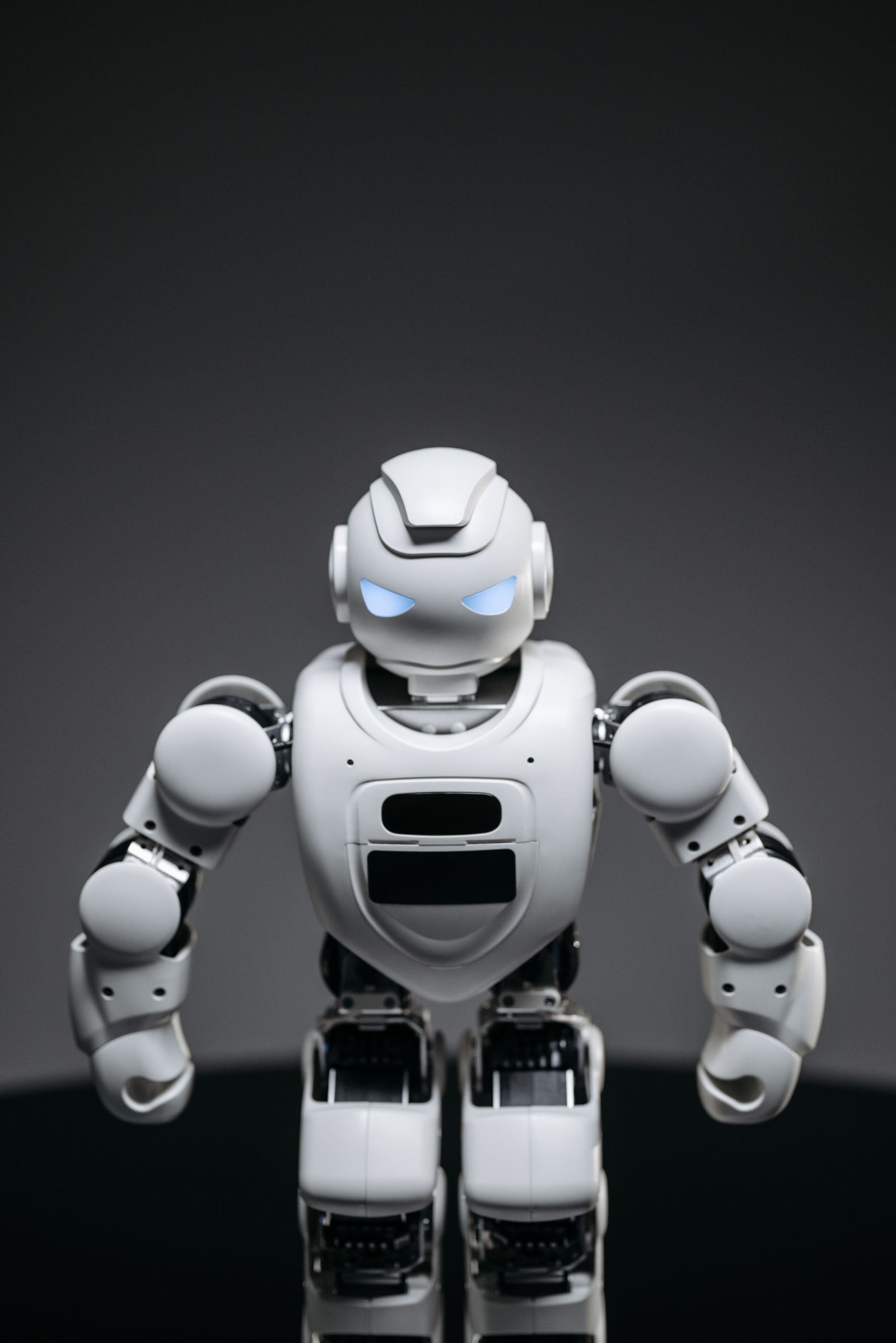
AI and immersive computing meet in a shared question: how should intelligence show up in the world around us?
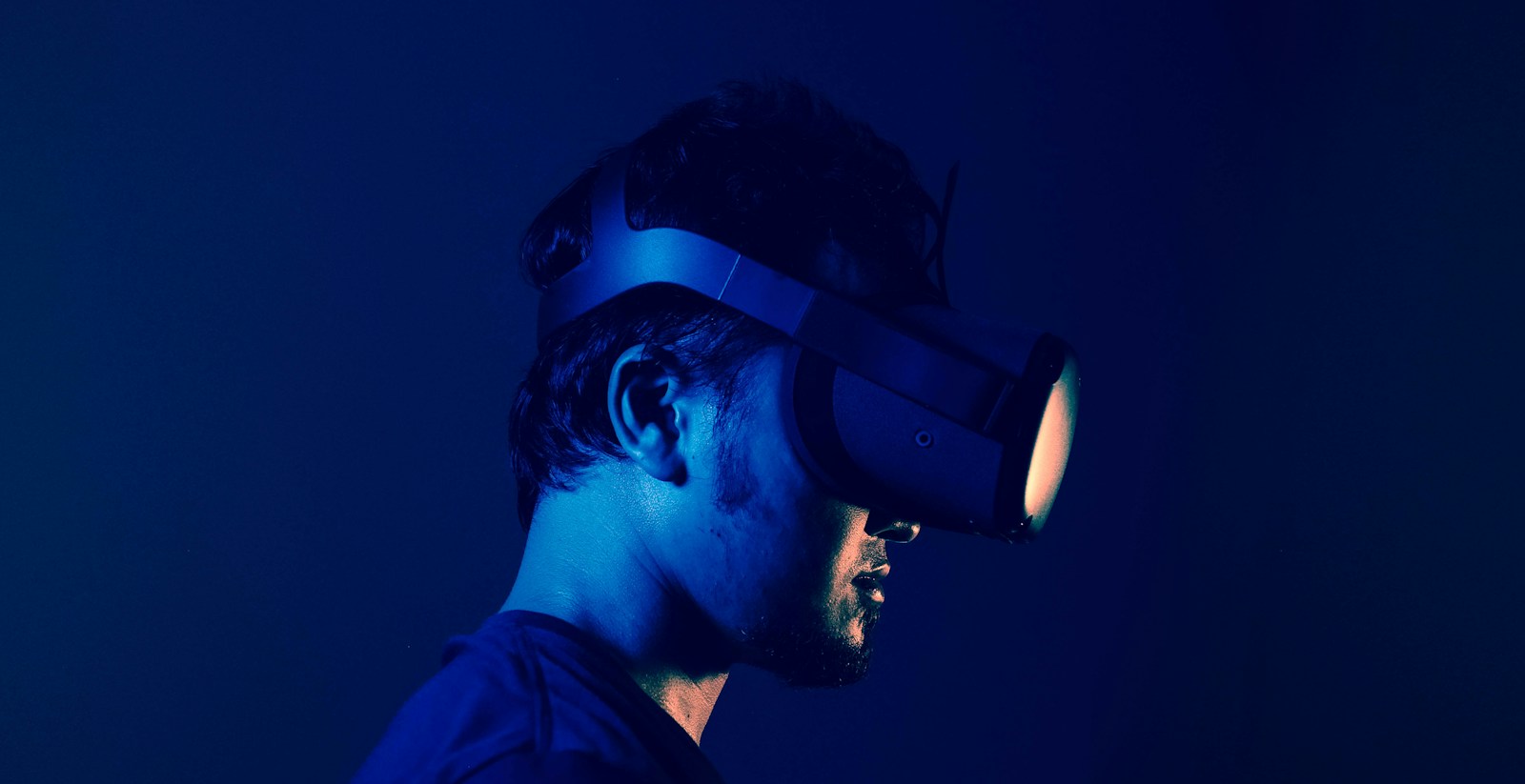
Illustrative photograph: Minh Pham / Unsplash. The person pictured is not affiliated with Hypetell.
Beyond another screen
A spatial interface can put information beside the thing it describes. A diagram can sit over a physical component. A remote collaborator can share a point of view. A simulation can become a place that a person explores rather than a video they watch.
Adding AI introduces a new design possibility: an interface that can respond to an explanation, a gesture or a change in the scene. The interesting work lies in deciding when that response is useful and how much attention it should demand.
The importance of common foundations
The Khronos Group’s OpenXR 1.1 release brought widely used extensions into its core specification, aiming to reduce fragmentation in cross-platform XR development. OpenXR provides an API foundation across virtual, augmented and mixed reality systems.
Our interpretation is that shared foundations give builders more room to focus on the experience. Portability still requires testing on real devices, with their own interaction methods and physical constraints.
Three experiences worth exploring
Learning in context. Imagine a maintenance lesson in which instructions are attached to a virtual assembly. A learner could ask a question while keeping the component in view. The important measure would be understanding and retention, rather than how spectacular the scene looks.
Collaborative design. A team could inspect a shared model at different scales, ask for explanations and compare design alternatives. An intelligent assistant would need to make changes reversible and distinguish suggestions from approved decisions.
New creative spaces. Artists could sketch a world, describe its behaviour and explore variations from inside it. Constraints would become part of the creative language: physical comfort, legibility and a clear sense of control.
These are areas of exploration, rather than claims about shipping Hypetell products.
Attention is the scarce resource
A spatial interface competes with the physical world for attention. The design questions become unusually concrete. Does a label block a person’s view? Is a gesture comfortable after repeated use? Can the experience work while seated? Can a person find the exit immediately?
At Hypetell, we see immersive computing as a way to build more natural relationships with complex information. The most useful future may feel calmer, clearer and more connected to the task in front of us.
SOURCES & FURTHER READING
Khronos Group — OpenXR 1.1 announcement ↗Khronos Group — OpenXR registry ↗Research and official event materials inform this article. Commentary and illustrative scenarios reflect Hypetell’s editorial perspective.